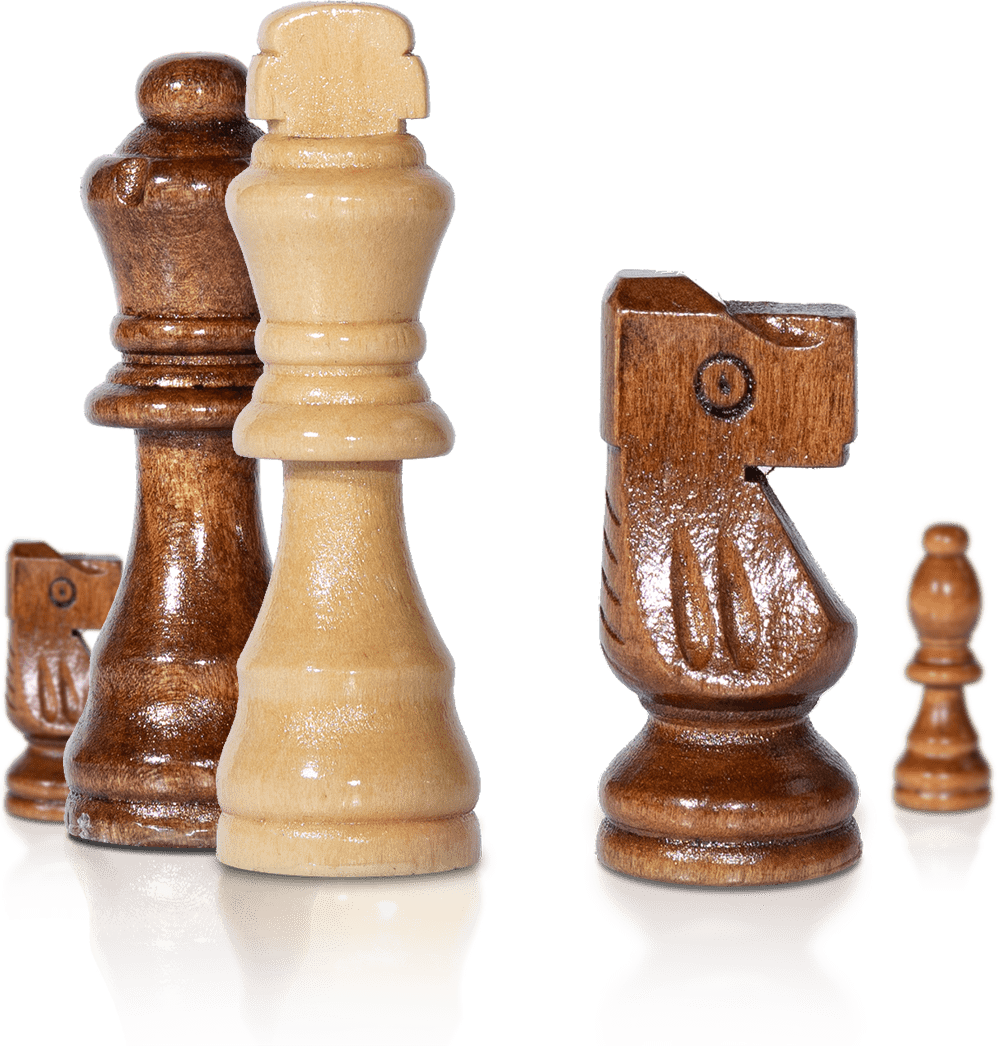
Why Chess?
There is more than one reason why this majestic game has not just survived but thrived, since its invention in India over 1600 years ago.
A game of strategy, planning, patience, sacrifice and a myriad of possibilities, this game reflects so many aspects of life that it’s almost not just a game.
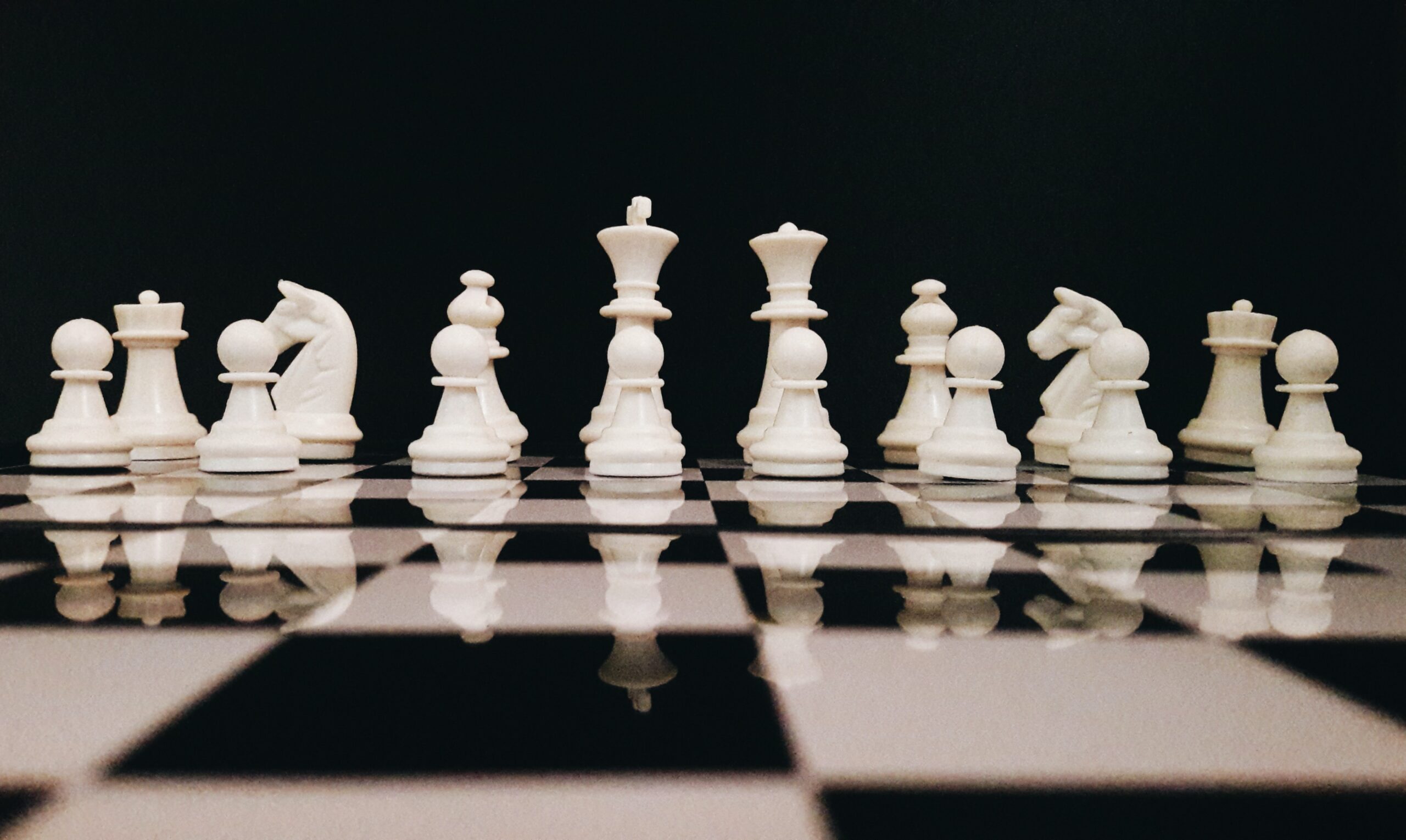
“Chess is the gymnasium of the mind.”
– Blaise Pascal
history
Children playing Chess with other children
Our events will be split into different age groups. One of these types of event will be where children will play against other children, while the parents socialise. There will also be some events where we further filter the parents to have single-parents only and other variations too.
These events will allow children to meet other children and develop their social skills, whilst giving their parents time-out to socialise themselves with other parents.
Benefits of Chess to the Young
Grows dendrites of the brain, increasing brain capacity and IQ
Increases children’s spatial and problem-solving skills
Exercises both sides of the brain – analytical and creative
Improves memory and concentration
Teaches planning and foresight
Helps to keep calm children under pressure
Gives time away from digital devices
Benefits of Chess to the Elderly
Chess aids cognitive ability
Studies show that playing chess decreases the risk of dementia
Helps prevent Alzheimer’s
Reduces anxiety and depression
Improves memory
Playing with the young will help combat loneliness
history
Children playing Chess with Grandparents and the Elderly
We invite our friends’ parents to bring their parents to play chess with their children and the children of other parents. This provides a social outlet for the elderly who often crave the companionship that they lack in their later years.
We’ll be looking at organising some of these events at residential care homes and day-care centres.
Event Features
Volunteer Chess Tutors
DBS-checked Volunteer Helpers
Free Refreshments (snacks, soft drinks, tea and coffee)